
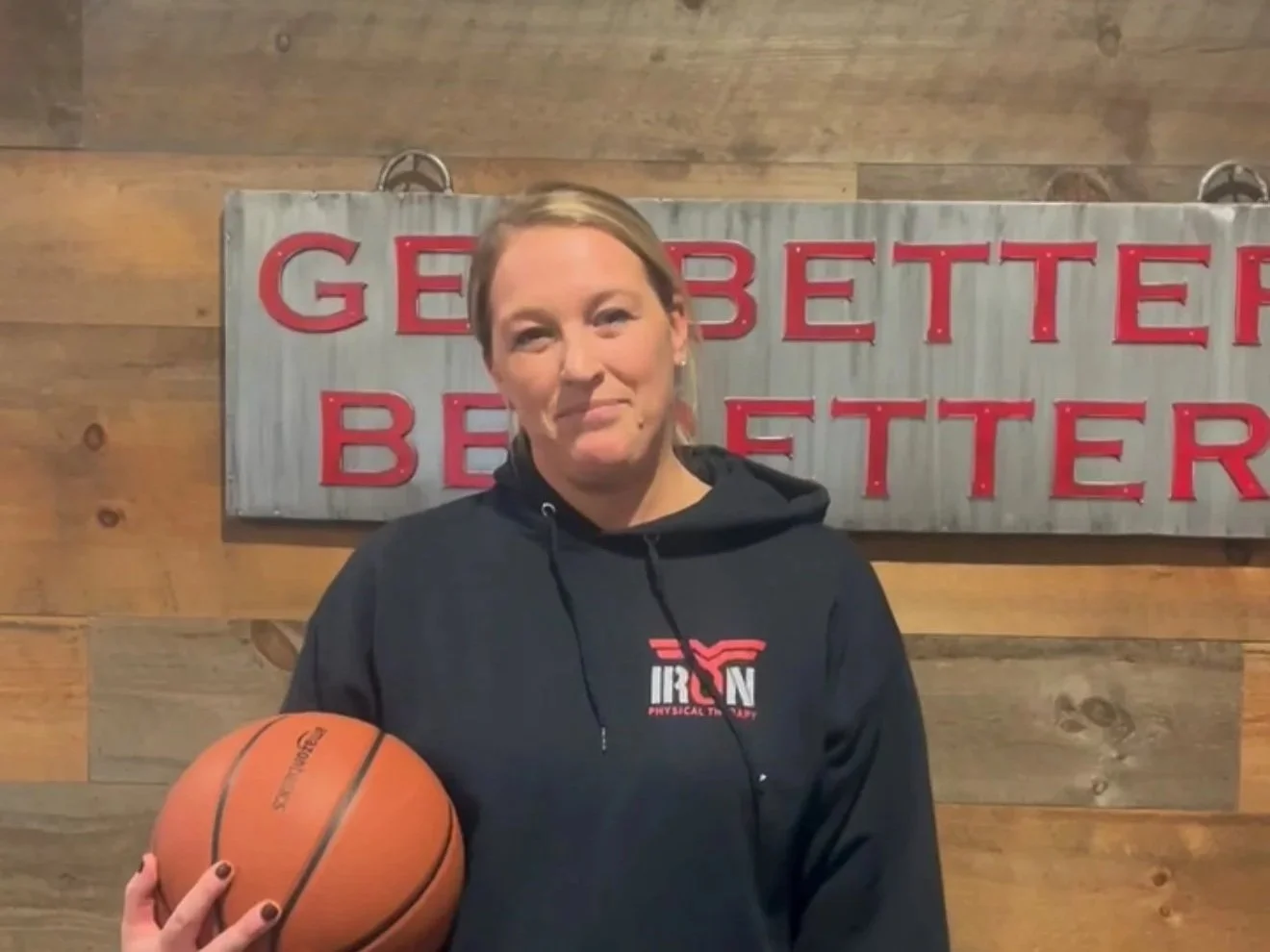
Basketball season brings excitement, competition, and long hours on the court, but it also comes with a higher risk of injury than many athletes expect.
Whether you’re a youth player, high school athlete, weekend warrior, or playing pickup games, understanding common basketball injuries and addressing them early can make all the difference in how your season plays out.
Common Basketball Injuries We See Each Season
Basketball is a fast-paced, high-impact sport that involves jumping, cutting, sprinting, and frequent contact. Because of this, certain injuries show up time and time again:
Ankle Sprains
Quick changes of direction, landing on another player’s foot, or awkward landings after a jump make ankle sprains one of the most common basketball injuries. Even “minor” sprains can linger if not properly addressed.
Knee Injuries (Including Jumper’s Knee)
Repetitive jumping, sprinting, and sudden stops place significant stress on the knees. Jumper’s knee (patellar tendinopathy) often starts as mild pain below the kneecap and can worsen if ignored. Ligament injuries can also occur during cutting or contact.
Hand & Finger Injuries
Catching passes, deflections, and falls can lead to finger sprains, jams, or even fractures. These injuries are often brushed off but can affect grip strength, shooting, and ball control.
Shoulder Instability & Overuse Injuries
Falls, collisions, and repetitive shooting or passing can place stress on the shoulder. Instability, pain, or weakness may develop over time — especially if strength and control aren’t addressed.
Early Warning Signs You Shouldn’t Ignore
Many athletes try to “push through” pain during the season, but early symptoms are your body’s way of asking for help. Be mindful of:
Swelling
Persistent pain
A feeling of instability or giving way
Limited range of motion
Decreased performance or confidence on the court
Ignoring these signs can turn a manageable issue into a long-term problem, potentially sidelining you for weeks or months.
Why Early Care Matters
Addressing injuries early doesn’t just help with pain relief, it helps prevent compensation patterns, chronic issues, and re-injury. Early physical therapy focuses on:
Restoring proper movement and mechanics
Improving strength, stability, and control
Reducing stress on injured tissues
Helping you return to play safely and confidently
The goal isn’t just to get you back on the court, it’s to keep you there.
Play Smart This Season
Basketball seasons are short, and every game matters. Taking care of your body is part of being a smart, competitive athlete. If something feels off, don’t ignore it. Early evaluation and targeted rehab can help you recover faster and perform better all season long.
Blog insight powered by Dr. Stoddard, DPT, Iron Caldwell
